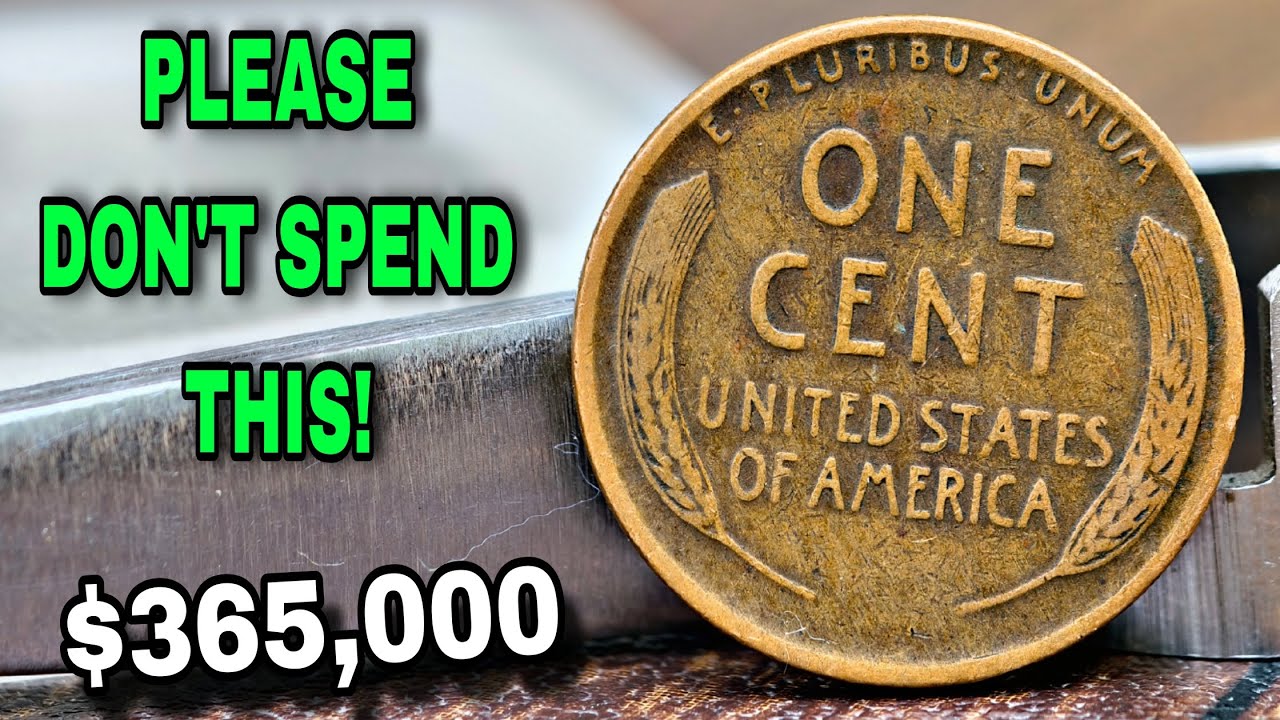
Top 4 Most Valuable Wheat Pennies : The world of coin collecting occasionally uncovers treasures that redefine rarity and value, and wheat pennies are among the most sought-after pieces in numismatic history. Known for their distinct reverse design featuring twin stalks of wheat, these coins were minted from 1909 to 1958 and carry stories of early 20th-century America. While most circulate for a few cents, some examples have surfaced that are worth millions due to their rarity, mint errors, or historical significance.
Collectors and investors alike search for these extraordinary coins, and a few specimens stand head and shoulders above the rest.
1. 1909-S VDB Wheat Penny
The 1909-S VDB wheat penny is perhaps the most legendary of all, minted in limited numbers at the San Francisco Mint and engraved by Victor David Brenner. Its scarcity, combined with the notoriety of the initials placement, makes it a crown jewel for serious collectors.
Key highlights:
- San Francisco mint production numbered only 484,000
- Victor David Brenner initials on the reverse
- Extremely rare in mint condition with high grades fetching millions
- Historical significance as the first year of Lincoln cent issuance
A pristine 1909-S VDB wheat penny has been known to sell at auction for over $1 million, making it the pinnacle of wheat penny collecting.
2. 1914-D Wheat Penny
Another top contender in rarity, the 1914-D wheat penny was produced in Denver with a remarkably low mintage. This coin represents a critical challenge for collectors seeking to complete a high-grade Lincoln cent set.
Key highlights:
- Only 1,193,000 coins minted at the Denver facility
- Exceptionally rare in high-grade uncirculated condition
- Appears frequently in major numismatic auctions as a centerpiece lot
- Historical context tied to early 20th-century Denver mint operations
Auction records show that well-preserved 1914-D wheat pennies can command prices exceeding $100,000, with rare proofs approaching the million-dollar mark.
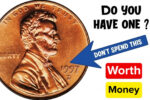
3. 1922 No D Wheat Penny
The 1922 No D wheat penny is one of the most intriguing mint errors in U.S. coinage history. While Denver minted a standard 1922 penny, some specimens were struck on planchets without the D mint mark due to a die error, creating a highly coveted rarity.
Key highlights:
- Extremely limited known examples, most discovered in collector estates
- Error results in “No D” visible below the date
- High-grade coins are exceedingly rare, driving collector competition
- Historical fascination as one of the earliest U.S. mint anomalies
Collectors are willing to pay upwards of several hundred thousand dollars for a 1922 No D wheat penny in exceptional condition.
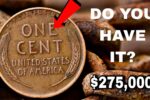
4. 1931-S Wheat Penny
The 1931-S wheat penny represents another Denver mint scarcity, produced during the Great Depression when coin production was limited. Its low mintage makes it highly desirable among Lincoln cent enthusiasts.
Key highlights:
- Only 866,000 coins minted in San Francisco, contributing to scarcity
- Surviving specimens are often well-worn, making high-grade examples especially rare
- Frequently cited in rare coin price guides as a “must-have” for completionists
- Historical context reflects the economic challenges of the early 1930s
Auction values for top-quality 1931-S wheat pennies can surpass $100,000, with exceptional specimens nearing $500,000 or more.
Final Thoughts
Wheat pennies may appear humble at first glance, but the rarest examples hold stories, history, and extraordinary value that captivate collectors and investors alike. The 1909-S VDB, 1914-D, 1922 No D, and 1931-S wheat pennies exemplify the pinnacle of rarity, with some specimens crossing the million-dollar threshold. For enthusiasts, these coins are more than currency; they are tangible links to America’s numismatic legacy and enduring artifacts of history.
Discovering one of these rare pennies in a pocket change batch remains the ultimate dream for collectors, reminding us that even the smallest coins can hold monumental value.