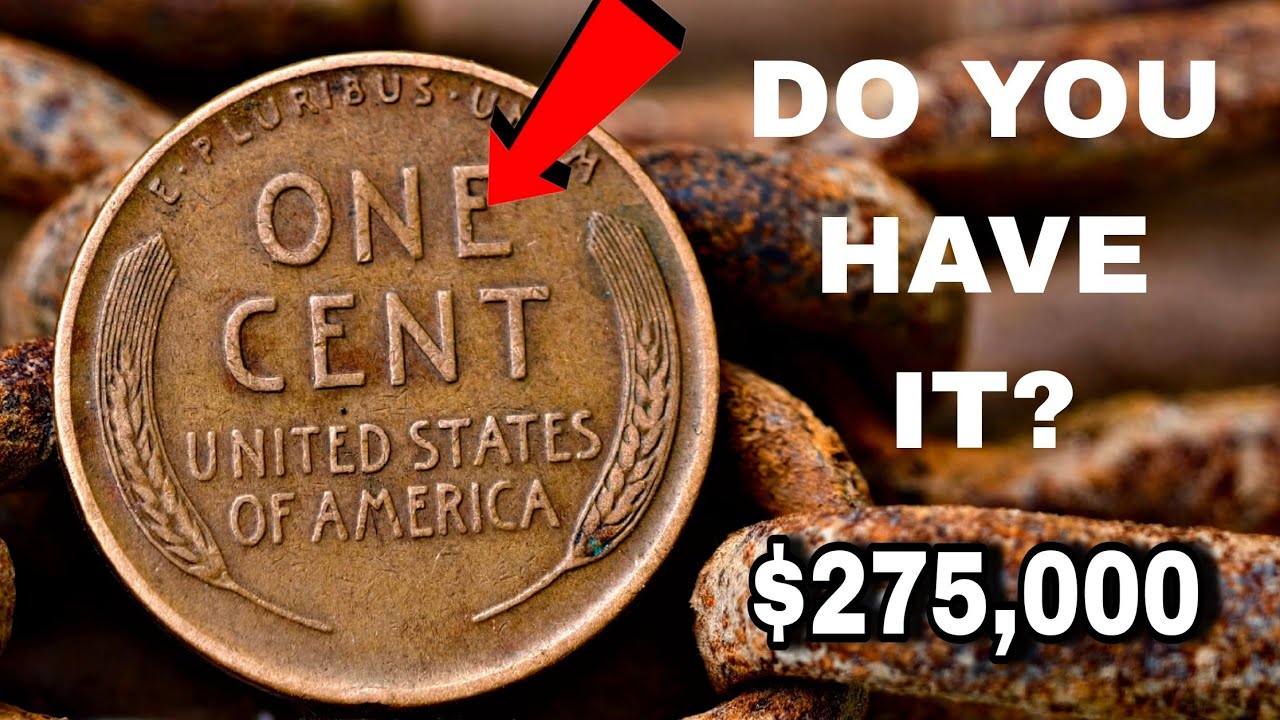
Rare Lincoln Wheat Pennies Worth Millions – Few coins in American history capture collector fascination like the Lincoln Wheat Penny. Minted from 1909 to 1958, these small copper coins have become some of the most sought-after pieces in numismatics. While most are worth only a few cents above face value, certain rare variations have sold for hundreds of thousands — and even millions — at auction.
First introduced by the United States Mint in 1909 to commemorate the 100th anniversary of Abraham Lincoln’s birth, the Wheat Penny marked the first time a real historical figure appeared on a regular-issue U.S. coin.
Today, collectors carefully examine old jars, estate collections, and pocket change hoping to uncover one of these rare treasures.
Key Highlights
Certain Lincoln Wheat Pennies command extraordinary values due to minting errors, limited production, or historical significance:
- 1909-S VDB edition with ultra-low mintage
- 1914-D key date scarcity
- 1922 No D mint error
- 1943 bronze transitional error
- 1955 doubled die obverse variety
- High-grade uncirculated examples with sharp detail
- Original red luster specimens with minimal wear
Condition, mint mark, and authenticity play critical roles in determining value.
The 1909-S VDB – The Famous First-Year Rarity
The 1909-S VDB penny is one of the most famous coins in American collecting. The “S” mint mark indicates it was struck at the San Francisco Mint, while “VDB” represents the initials of designer Victor David Brenner.
Key facts:
- Only 484,000 were minted
- Public controversy over the prominent initials led to removal
- Highly desirable in all grades
- Mint-condition examples have sold for six figures
This coin is often considered the cornerstone of a serious Wheat Penny collection.
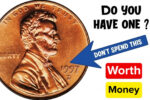
The 1943 Bronze Penny – A Million-Dollar Mistake
During World War II, copper was needed for ammunition, so most 1943 pennies were struck in steel. However, a few bronze planchets from 1942 were accidentally used.
Important details:
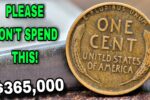
- Extremely rare transitional error
- Only a handful confirmed authentic
- Several have sold for over $1 million
- Frequently counterfeited or altered
Authentication by reputable grading services is essential before celebrating a discovery.
The 1955 Doubled Die – The Dramatic Error
The 1955 doubled die penny is famous for its bold doubling on the date and lettering. The error occurred during the die creation process, resulting in visibly overlapping inscriptions.
Collectors look for:
- Noticeable doubling in “LIBERTY”
- Strong doubling in the date “1955”
- Clear separation in “IN GOD WE TRUST”
Well-preserved examples can command tens of thousands of dollars.
The 1914-D – A Classic Key Date
Struck at the Denver Mint, the 1914-D penny had relatively low production numbers compared to other years.
Why it matters:
- Limited mintage
- Often heavily circulated
- Scarce in higher grades
- Strong demand among collectors
Even moderately worn examples can sell for thousands.
Condition Matters – Understanding Coin Grading
A coin’s value depends heavily on its grade. Professional grading services evaluate:
- Surface wear
- Strike sharpness
- Luster quality
- Presence of scratches or cleaning
Coins graded Mint State with original red coloration are significantly more valuable than brown or cleaned examples.
Serious collectors rely on certified grading to confirm authenticity and condition before major purchases.
How to Identify Valuable Wheat Pennies
If you are searching through old coins, focus on:
- Dates between 1909 and 1958
- Mint marks under the date (S or D)
- Unusual color for 1943 pennies
- Visible doubling in letters or numbers
- Strong detail and minimal wear
Avoid cleaning coins, as this can drastically reduce their value.
Auction Records and Market Demand
Rare Wheat Pennies have achieved record-breaking sales at major auction houses such as Heritage Auctions and Stack’s Bowers Galleries.
Market demand remains strong because:
- Lincoln is one of the most recognizable figures in U.S. history
- The series is widely collected
- Key dates are extremely scarce
- Error coins attract high investor interest
Prices fluctuate based on rarity, certification, and overall coin market trends.
Final Verdict
Rare Lincoln Wheat Pennies continue to captivate collectors and investors alike. While most examples are common, a select few — such as the 1909-S VDB, 1914-D, 1943 bronze, and 1955 doubled die — rank among the most valuable small-denomination coins ever produced in the United States.
Checking old collections carefully could reveal a hidden numismatic treasure. With the right date, mint mark, and condition, a simple one-cent coin might be worth a life-changing sum.